Insight details
How to Consolidate Goods from Multiple Suppliers in China
Sourcing from several Chinese suppliers can save money or give the buyer better product options. It can also turn shipment preparation into a knot.
For buyers managing their first China import order, consolidation is one part of the larger process. See our guide on how to import goods from China: a first-order workflow.
One supplier finishes early. Another is late. Cartons use different labels. One product needs repacking. The forwarder asks for cargo details, but the buyer only has scattered messages from three factories.
Consolidation helps bring those loose pieces into one shipment plan.
Consolidating goods from multiple suppliers in China usually means receiving each supplier's cargo at one warehouse or consolidation point, checking quantities and cartons, correcting labels or packaging where needed, preparing one consolidated cargo list, and coordinating final loading and shipment handoff.
Make a supplier list first
Start with a simple table. For each supplier, record the company name, contact person, product, SKU, quantity, ready date, carton count, packing method, factory location, and delivery contact.
This sounds basic because it is. Without this list, every later step becomes harder.
Agree receiving instructions before suppliers dispatch
Do not give several suppliers a warehouse address and assume the warehouse has accepted the job. First obtain written confirmation of the receiving scope, contact, booking procedure, operating hours, and cargo restrictions. Ask whether each delivery needs an appointment, delivery reference, or advance packing list. Confirm who unloads and whether pallets or particular vehicle access are required.
Give each supplier an order reference and a carton-marking instruction that the warehouse has agreed it can use. A useful reference connects buyer, supplier, order, SKU, and carton sequence. Do not put unnecessary personal or commercially sensitive information on outer cartons. Send the warehouse the supplier list separately so it knows which deliveries belong to the same consolidation.
Use a receiving instruction sheet like this. It is a planning template, not an Alex service agreement.
| Item | Agree before dispatch | Record or owner |
|---|---|---|
| Delivery | Address, contact, appointment, latest arrival time | Supplier confirms the delivery reference |
| Receiving check | Carton count, visible condition, labels; opening or product checks only if separately agreed | Warehouse records the actual scope |
| Exceptions | Who is notified, where affected cartons are held, who may approve work | Buyer names a decision contact |
| Storage | Charging start, free period if any, unit, minimum charge, access conditions | Warehouse provides written terms |
| Repacking and handoff | Approved work, cost limit, final cargo list, collection requirements | Buyer authorizes; warehouse and forwarder confirm execution |
Receiving sealed cartons does not confirm the units inside, product quality, regulatory compliance, or permission to ship. If product inspection is needed, agree a separate scope and timing. Use the pre-shipment inspection checklist for that decision rather than treating warehouse photos as an inspection report.
Decide where goods should be received
Goods can be sent to a warehouse, forwarder warehouse, consolidation point, or sometimes loaded from a factory. If goods come from several suppliers, a warehouse is often cleaner.
Warehouse receiving helps when the buyer needs carton checks, repacking, SKU separation, consolidation, loading preparation, or one final cargo list before shipment.
For shipment preparation after consolidation, buyers should also plan loading details, cargo records, and container preparation before goods leave China.
Confirm each supplier's delivery schedule
Before goods move, ask each supplier for the ready date, carton quantity, gross weight, carton dimensions, packing photos, contact person, and delivery method.
If one supplier is late, decide whether to wait, split the shipment, or adjust the loading plan. Do not discover the delay on loading day.
Set a decision date for waiting or splitting
Work back from the forwarder's confirmed cargo and document cut-offs, allowing time for receiving, checks, approved repacking, and handoff. A warehouse arrival deadline is not automatically the carrier's cut-off. Ask the forwarder what happens if cargo details, quantities, or dates change; a tentative booking is not proof that cargo can travel.
When a supplier slips, request the revised ready date and evidence of what is actually complete. Compare the following options using current written quotations and the buyer's delivery priorities. There is no universal number of days worth waiting.
| Option | Check before deciding | What to record |
|---|---|---|
| Wait for all suppliers | Accruing storage, booking validity, new arrival date, destination deadline | Next review date, spending limit, buyer approval |
| Send ready goods first | Separate shipment minimums, handling and documentation, destination costs, suitability of the remaining goods | Exact cartons and SKUs in each shipment, separate handoff instructions |
| Delay dispatch from early suppliers | Supplier storage terms, delivery booking, continued identification and protection of goods | Who keeps which cargo, revised delivery appointment |
Compare only additional costs caused by the decision: keeping ready goods, changing a booking, and sending a separate shipment. Do not add the full original freight quotation to one option while counting only a surcharge for another. Check currency, tax treatment, quotation validity, exclusions, and whether a later shipment needs its own destination handling or documents. Leave an unquoted item marked unknown; do not assume it is free.
The buyer decides the commercial priority. The warehouse confirms what it can receive, store, and handle; the forwarder confirms transport options and cut-offs. Product restrictions and destination requirements still need the appropriate checks. Splitting goods is not a way to bypass them.
Keep receiving records
When goods arrive at the warehouse, record supplier name, arrival date, carton count, product category, visible carton damage, label photos, and any mismatch against the supplier's packing information.
Photos are helpful. They give the buyer a simple view of what has actually arrived.
For each delivery, connect the arrival record to the supplier's packing list version. Record expected cartons, received cartons, visible damage, who checked them, and any limits on the check. Keep the original arrival photos before repacking or relabelling. Record the affected carton references and send a discrepancy notice to the named contact.
For example, if the delivery note says 20 cartons but 19 arrive, record “19 cartons received; 1 carton outstanding; contents not checked” when that describes the actual check. This is an illustration, not an Alex customer case. Ask the supplier and carrier to reconcile their records. Do not silently change the purchase quantity to make the list match, or treat a signature as an automatic settlement of a claim.
Authorize extra work and charges explicitly
Before opening cartons, repacking, relabelling, palletizing, moving goods to another warehouse, or arranging an extra collection, obtain the buyer's agreed instruction. Clarify the proposed work, affected cartons, reason, quotation, excluded costs, expected timing, and evidence to provide after completion. Urgent contact details are useful; an unanswered message is not approval.
For storage, ask when charging starts, whether a free period applies, whether calendar days or another basis is used, and whether charges are per pallet, area, volume, carton, or consignment. Ask about minimums and collection requirements. Free storage and a standard rate must not be assumed from another provider's advertisement.
Keep the person approving work, the party initially paying, and the party ultimately bearing the cost as separate fields. Finding damaged packaging does not by itself prove that the supplier must pay every subsequent charge. Agree any cost recovery separately with the relevant parties; this guide does not decide contractual liability or guarantee reimbursement.
Check packaging and labels
Different suppliers often pack goods differently. Some cartons are strong. Some are not. Some have clear shipping marks. Others use handwritten labels or no labels at all.
Before consolidation, check carton condition, shipping marks, SKU labels, product protection, pallet needs, and whether the packaging is suitable for export.
Repack before loading if needed
Repacking may be needed when cartons are damaged, labels are wrong, products need stronger protection, small cartons need grouping, or SKUs need clearer separation.
Repacking should happen before loading day. Last-minute repacking is slower, messier, and more likely to create mistakes.
Prepare a consolidation list
A consolidation list should include supplier name, product name, SKU, quantity, carton count, gross weight, carton size, total volume, packing status, and destination.
This list helps the buyer, warehouse, and forwarder work from the same information.
After repacking, update carton count, dimensions, weight, marks, and the mapping from old cartons to new ones. Keep the previous version for traceability. Distinguish supplier-declared figures from warehouse measurements. A master packing list should not obscure which supplier or order each item came from, and it does not replace required commercial or transport documents. The International Trade Administration's common export documents guide describes the different purposes of commercial invoices, packing lists, and transport documents; exact requirements depend on the shipment and destination.
Coordinate loading early
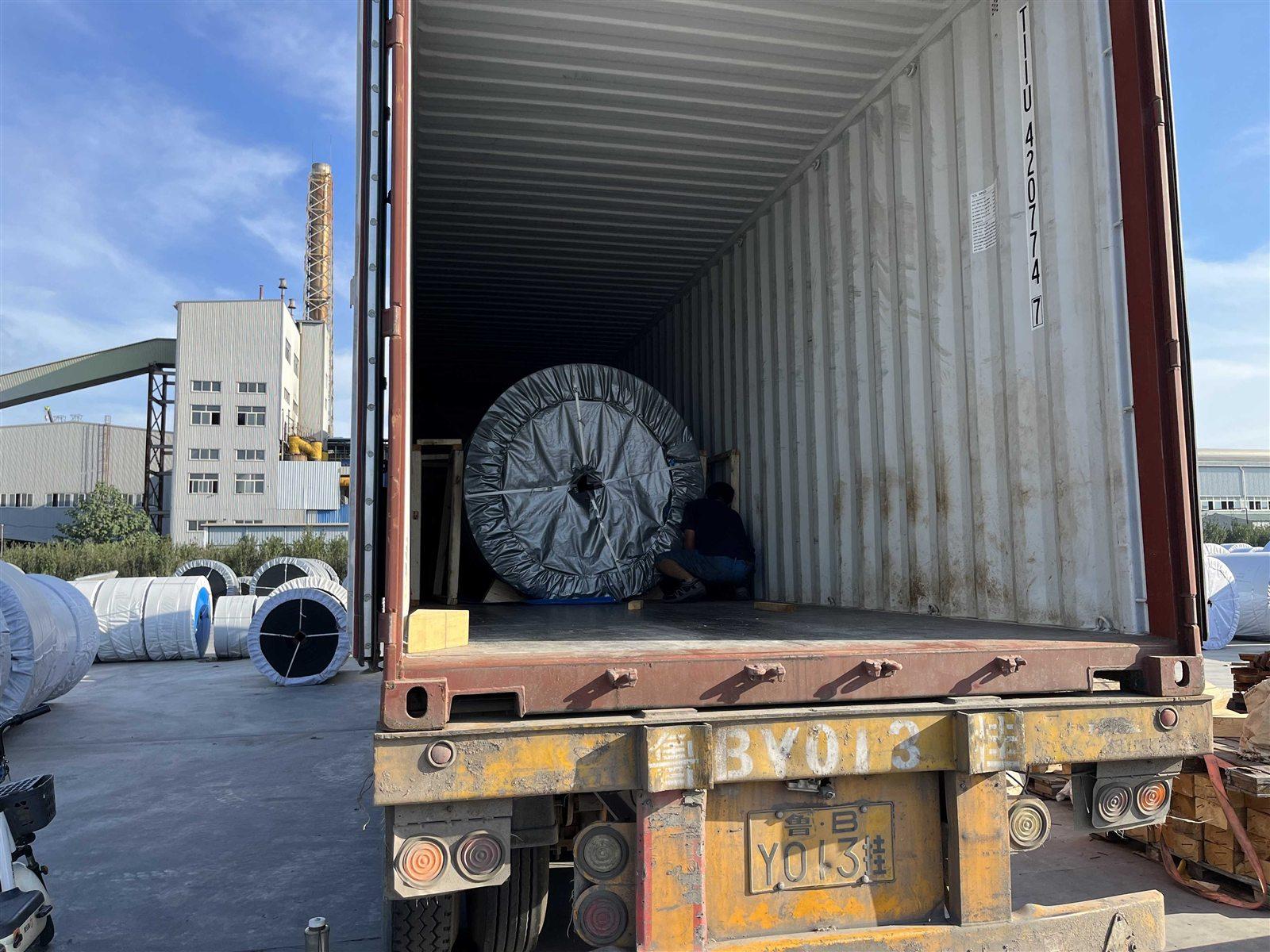
Before loading, confirm whether all goods have arrived, all cartons are checked, labels are correct, repacking is finished, and the loading date is confirmed.
For a detailed loading checklist, see our China container loading checklist for overseas buyers.
If the buyer needs loading photos or videos, tell the warehouse before the container arrives.
Share clean details with the forwarder
The forwarder may need cargo ready date, warehouse address, carton quantity, gross weight, volume, destination port, container type, cut-off date, and document information.
For the handoff between China suppliers, warehouse, and shipping agents, see our guide on China freight forwarder and shipping agent handoff checklist.
Bad cargo data can create booking problems. Clean data makes shipping easier.
Before collection, ask the warehouse and nominated forwarder to confirm the current packing list version, collection reference, cargo status, actual carton count, and any unresolved holds. Record what was handed over, when, to whom, and what was still excluded. A collection receipt records an event; it does not automatically establish product acceptance, transfer of every contractual risk, or customs clearance.
Copy this request before the first delivery
Please confirm the receiving address, delivery-booking procedure, cargo restrictions, and receiving-check scope for the attached supplier list. State the storage charging basis and any free period, minimums, and quotation validity. Identify who should receive discrepancy reports. No additional repacking, relabelling, transfer, or separate dispatch is authorized by this request. Please quote proposed extra work separately for approval. Before collection, provide the updated packing list and identify any missing cartons or outstanding holds. Please confirm the latest arrival and handoff dates with our nominated forwarder.
Adapt this request to the parties' agreed arrangements. It is an operational communication template, not a substitute for negotiated terms, insurance advice, or legal review.
How Alex Trading Group can help
Alex Trading Group can support warehouse receiving, short-term storage, carton checks, repacking, consolidation, loading preparation, and shipment planning where applicable. Buyers who need this China-side handling can review our inspection, warehouse, and shipment support.
If you are sourcing from multiple suppliers, send supplier lists, product details, carton information, destination, timeline, and forwarder details if available.
FAQ
When should I consolidate goods in China?
Consolidation is useful when goods come from several suppliers and need to be checked, repacked, grouped, or loaded together.
Can consolidation reduce shipping confusion?
Yes. It creates one clearer cargo plan instead of several disconnected supplier deliveries.
What should I prepare?
Prepare supplier names, product lists, quantities, carton counts, ready dates, warehouse needs, destination, and forwarder details if you already have them.