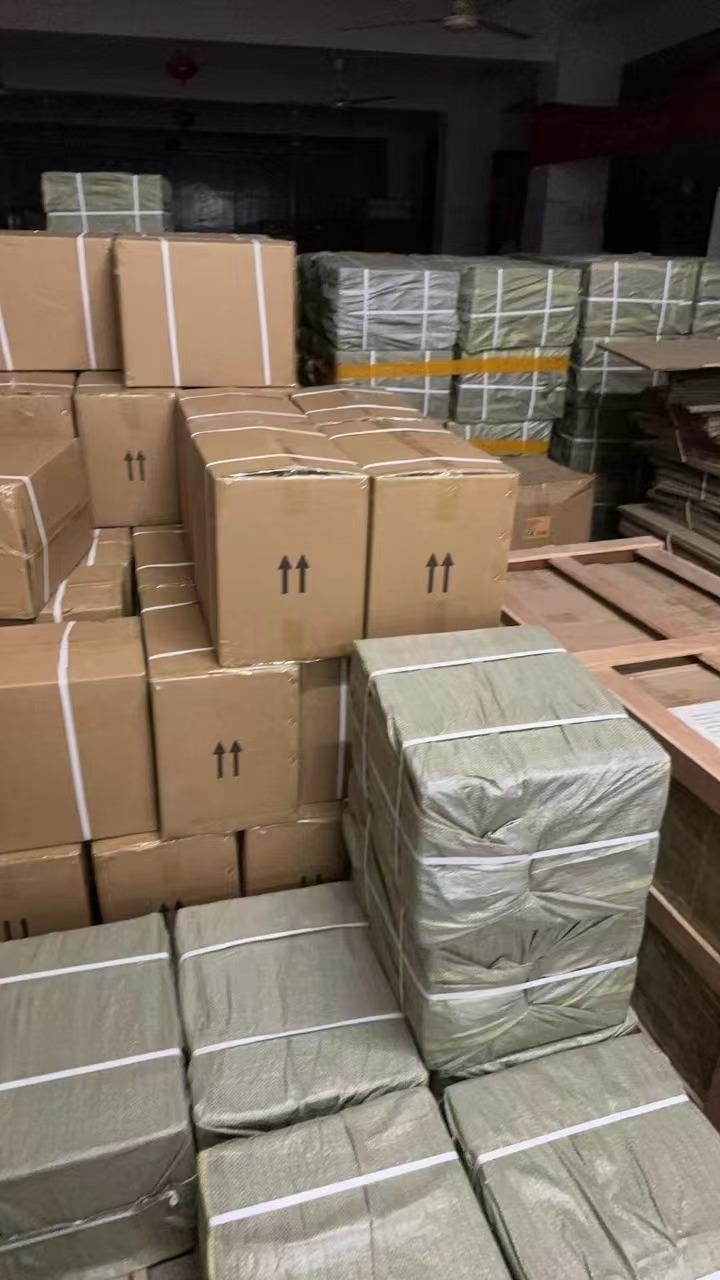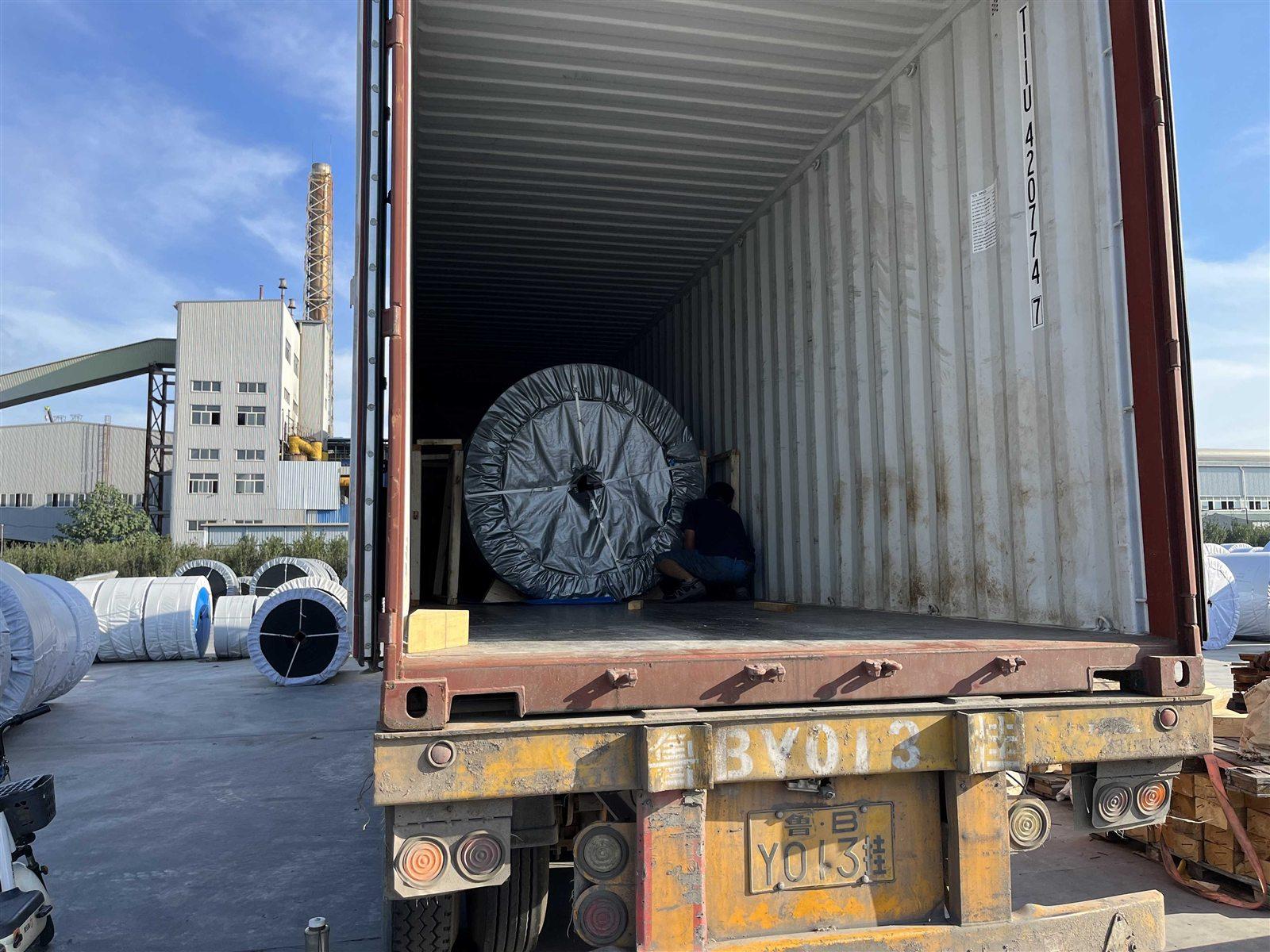
Insight details
Before container loading in China, confirm the cargo list, loading location, responsible contacts, and what must be resolved before dispatch. During loading, record the actual cartons and their condition. After loading, reconcile the packing list, container number, seal number, and handoff record.
Use the checklist below to assign evidence and decisions before the truck arrives. It is an operational record for the agreed loading scope, not proof of product quality, safe stowage, customs clearance, or carrier acceptance.
Assign evidence and decisions by loading stage
| Stage | What to check and record | Who should confirm the agreed task | If something does not match |
|---|---|---|---|
| Before loading | Current packing list; approved cargo and held cargo; carton marks and condition; loading address, appointment and contacts | Supplier or warehouse provides cargo records; buyer names a decision contact; loading team and forwarder confirm arrangements | Resolve missing cargo, damaged packing, or unclear instructions before affected cargo is loaded |
| Empty container | Container number and type; visible interior, floor, doors and condition; suitability concerns | Loading team checks within its competence and refers concerns to the container provider or forwarder | Record the concern and seek instructions; do not assume a photo establishes suitability |
| During loading | Actual carton count by SKU or supplier; loading sequence; visible condition; photos linked to cargo references | Loading team records the work; buyer or named contact decides commercial deviations | Pause the affected work, identify cartons, and agree correction or exclusion |
| Before sealing and departure | Final cargo list; remaining exclusions; container and seal references; unresolved holds | Loading team reports; authorized contact confirms the cargo instruction; forwarder confirms transport requirements | Reconcile discrepancies and notify the relevant parties before dispatch |
| Handoff | Final packing list version, container and seal numbers, loading time, recipient and acknowledgement | Warehouse or supplier and nominated forwarder exchange the agreed record | Retain the mismatch notice and corrected version; do not overwrite the original event |
These are suggested coordination roles to agree with the parties. They do not determine contractual liability or replace the packer's, shipper's, carrier's, or terminal's applicable obligations.
Prepare one loading instruction before the truck arrives
Confirm the exact loading address, site contact, appointment, container type, and who will be present. Send the loading team the current packing list, cargo approved to load, cargo on hold, SKU grouping, photo requirements, and the buyer's decision contact.
Check cartons by SKU or supplier, shipping marks, visible damage or dampness, labels, dimensions, and declared or measured weights. Keep the source of each figure clear. A count of sealed cartons does not confirm the units inside them.
For multiple suppliers, finish the receiving, repacking, and old-to-new carton mapping before loading. Use how to consolidate goods from multiple suppliers in China for that earlier workflow; this checklist starts with the cargo proposed for loading.
If product or packaging quality needs inspection, arrange its scope and timing separately using the pre-shipment inspection checklist. Loading photos should not be represented as an inspection result.
Match the container and document the loading
Record the container number against the booking or collection instruction and photograph its identification. Ask the responsible loading team to check visible container condition before packing and raise concerns about damage, contamination, dampness, doors, or the floor. A buyer reviewing pictures remotely should not certify that the container is fit.
Agree a cargo-specific packing and securing plan with competent personnel. Protect fragile goods, consider weight distribution and incompatible cargo, and provide special handling requirements before work starts. Do not improvise a lashing design, stacking limit, or payload threshold from this general checklist. Refer to the IMO/ILO/UNECE CTU Code for packing and securing guidance; this code is non-mandatory global guidance, and applicable rules and cargo-specific requirements still need checking.
Request photos of the empty interior and container identification, cargo and labels before loading, relevant loading stages, the completed load before closing, closed doors, and the fitted seal with its readable number. Connect photos to the loading date, container, and cargo references. Avoid asking workers to enter an unsafe area just to obtain a picture.
Handle a quantity or packaging exception before dispatch
Use one discrepancy notice for the affected cargo:
- Identify the supplier, order, SKU, carton marks, packing list version, and observed problem. Record expected and actually observed carton counts separately.
- Preserve the original photos and count record. Hold the affected cartons or pause the relevant loading work while the responsible parties assess the issue.
- Ask the supplier or warehouse to propose correction, repacking, exclusion, or a revised loading plan. Obtain the buyer's instruction and any required technical or transport approval; record cost and timing implications before authorizing extra work.
- Recheck the completed correction, revise the final cargo list, and retain the earlier version and the decision. Tell the forwarder if cargo details, weight, booking, or cut-off arrangements are affected.
Do not silently reduce the expected quantity to match the count, load held cartons because nobody replied, or assume that the party reporting damage must pay for it. Keep who approves the action, who initially pays, and who ultimately bears the cost as separate questions.
Reconcile container, seal, weight, and documents
Before departure, compare the final packing list and commercial invoice with the actual loaded cargo, container number, seal number, destination and consignee details. Confirm document cut-offs and any unresolved holds with the nominated forwarder. An intact seal records a closure reference; it does not prove carton count, product quality, or customs release.
For packed containers within the applicable SOLAS requirements, the shipper is responsible for providing verified gross mass (VGM). The IMO's VGM explanation distinguishes this from an ordinary cargo-weight entry: VGM is a condition for vessel loading, not an entitlement to load. Confirm the responsible shipper, accepted verification arrangement, submission contact, and deadline with the forwarder or carrier. Do not relabel an unverified packing-list total as VGM.
If a seal is replaced, preserve the original number, replacement number, reason, time, responsible party, and notification record. Seek instructions from the relevant authorized parties before changing a seal; customs or carrier controls may apply. Do not edit away the original seal record.
Copy the loading handoff record
Shipment / order references: [fill in]. Loading address, date and time: [fill in]. Final packing list and invoice versions: [fill in]. Actually loaded cartons by supplier / SKU: [fill in]. Held, missing, excluded or damaged cartons and decision references: [fill in, or state none]. Container number and type: [fill in]. Seal number and readable photo reference: [fill in]. Loading and securing evidence references / recorded check limits: [fill in]. Weight source and VGM submission responsibility / status where applicable: [fill in]. Outstanding holds, document or transport requirements: [fill in, or state none]. Handover party, receiving party, time and acknowledgement: [fill in].
This template is a communication aid. A loading record or collection acknowledgement does not by itself establish product acceptance, transfer of every contractual risk, or permission for the goods to travel.
For the next coordination step, use the freight forwarder and shipping agent handoff checklist.
How Alex Trading Group can help
Alex Trading Group can support warehouse receiving, repacking, consolidation, loading preparation, container loading follow-up, and shipment planning where applicable.
If goods are ready or nearly ready in China, send the supplier details and packing list, carton information, destination, forwarder details, loading timeline, and any known holds. Confirm the actual scope and arrangements for your shipment.
FAQ
Is container loading follow-up the same as product inspection?
No. Loading follow-up records the agreed loading readiness and process. Product and packaging inspection needs its own scope, checks, and results.
What if the carton count differs from the packing list?
Record both figures and identify the affected cargo. Pause the affected work, reconcile the discrepancy, obtain the authorized instruction, and keep the original and corrected records before dispatch.
Do loading photos or a seal number prove that shipment is cleared?
No. They document parts of the loading event. Customs, carrier, terminal, and other applicable requirements need separate confirmation.
Is the packing list's gross weight automatically VGM?
No. Confirm the applicable verification and submission arrangement. Do not describe an unverified cargo-weight total as verified gross mass.