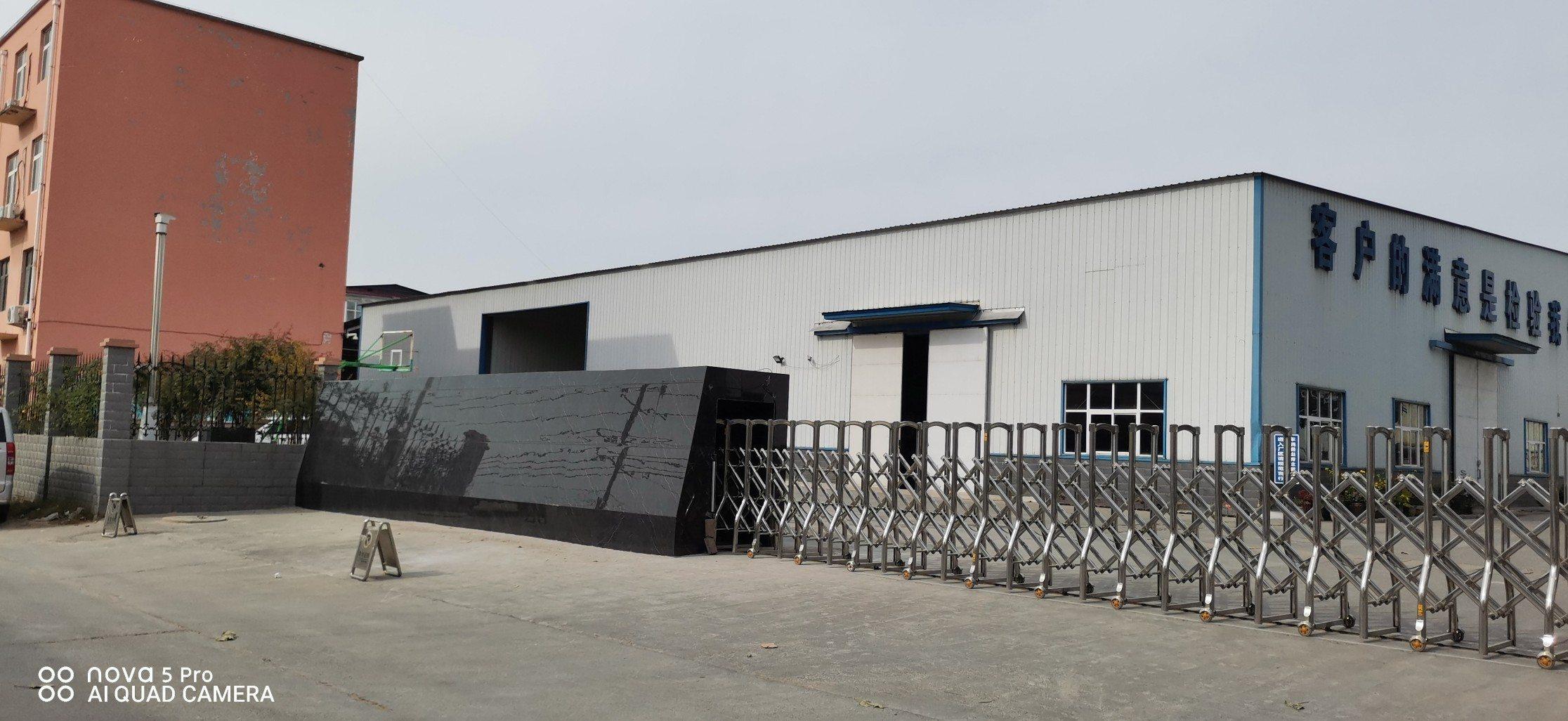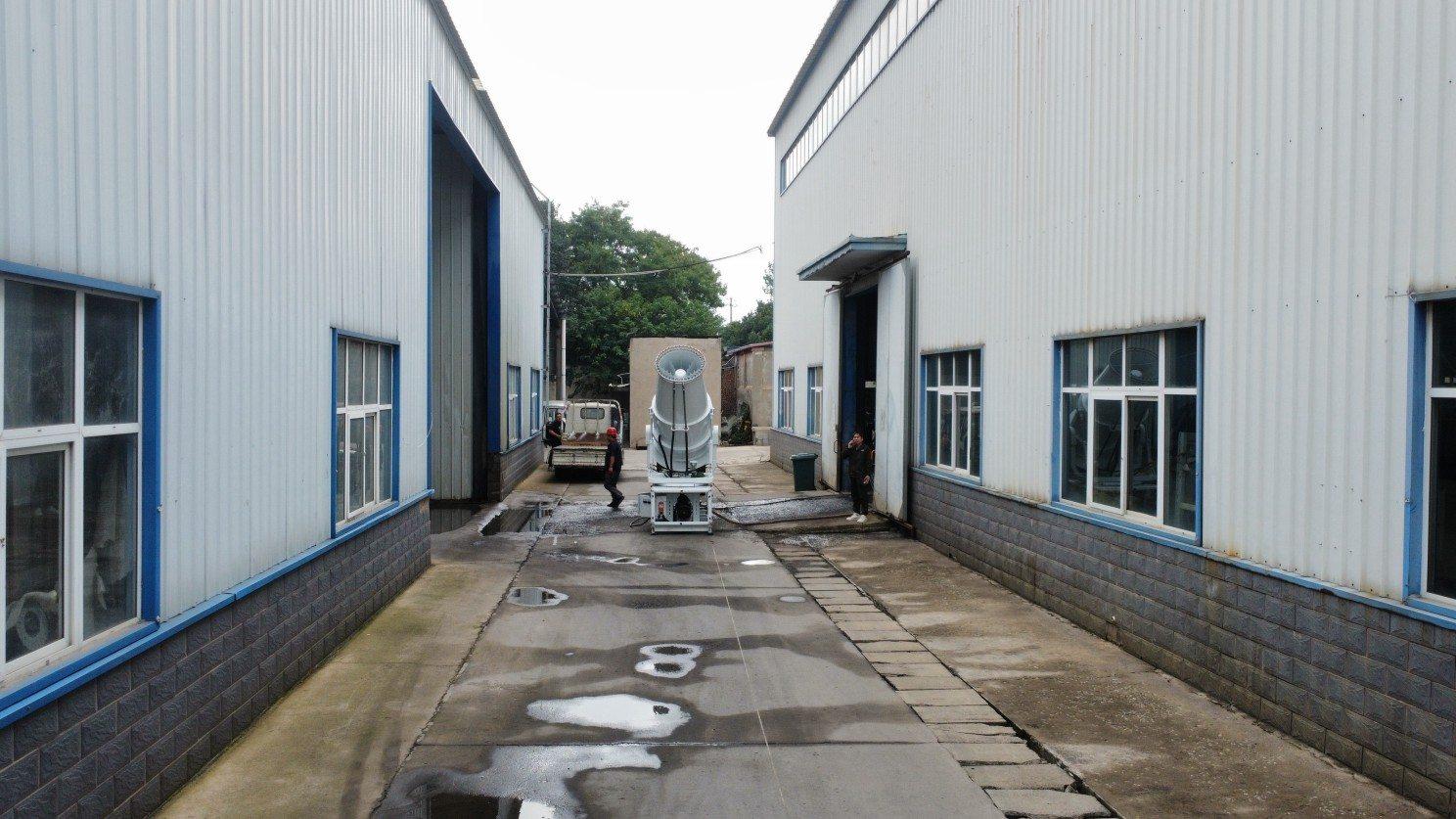
Insight details
Many buyers ask one question first: "Are you a factory?"
It is a fair question. It is also too small. A factory can be the right choice for one order and the wrong choice for another. A trading company can be useful when the buyer needs mixed products, smaller quantities, or easier communication. A workshop may be fine for early samples but weak for repeat production.
The better question is simple: who will carry out the production steps your order depends on, and what evidence supports that answer?
For buyers who need a structured supplier review before payment, see our guide on how to check a Chinese supplier before paying a deposit.
The main supplier types
A factory produces the goods, or at least handles the main production steps. Factories are often stronger when the buyer needs custom work, technical answers, repeat orders, or direct production updates.
A trading company sells products made by other suppliers. Some trading companies are organized and transparent. Others add cost without adding much value. The difference matters.
A workshop may handle small batches, assembly, finishing, or simple custom work. Workshops can be flexible, but they may not have stable quality systems or export experience.
An intermediary may only connect the buyer to another supplier. This can work in some situations, but it becomes risky when the intermediary cannot answer product questions or manage follow-up.
When supplier identity is unclear or communication is difficult, overseas buyers may need China-side support for supplier review and follow-up. See our guide on what a China sourcing agent does.
Compare factories and trading companies for this order
These are reasons to investigate a supplier, not rules about every factory or trading company. Compare the same product specification, quantity and quotation scope.
| Dimension | Factory | Trading company | What the buyer needs to verify |
|---|---|---|---|
| Product and production fit | May suit technical, custom, heavy, material-sensitive or repeat orders. | May suit standard products or orders combining several products. | Relevant product experience, the critical processes and the actual production site. |
| Quantity and MOQ | Some factories require higher MOQ or offer less flexibility for mixed orders. | May be useful for smaller quantities or mixed products; confirm the actual terms. | MOQ for this product and customization, quantities per item, and what each price includes. |
| Communication and coordination | Direct production feedback may help; English communication can be slower at some factories. | May make communication or export coordination easier. | Who answers technical questions and who follows up on production or shipment details. |
| Samples and quality checks | May be useful where sample-to-production consistency matters. | Should explain sample terms and inspection options. | What the sample represents, whether inspection is allowed, and how production will be checked against agreed requirements. |
| Quotation and production route | Ask which production steps it handles itself and which are outsourced. | Ask where the product comes from and what its role and quotation cover. | Product source, included and excluded work, lead time, shipment preparation and any unresolved gaps. |
Neither label guarantees a lower price or a better delivery outcome. The order-specific evidence matters more than the supplier type.
How to ask without turning the conversation awkward
You do not need to interrogate the supplier. Ask direct questions and see whether the answers are clear.
Useful questions include:
- Are you the manufacturer of this product?
- Which production steps do you handle yourself?
- Where is the factory located?
- Can you provide production photos or videos?
- Do you export directly?
- What products do you usually produce?
- Can inspection be arranged before shipment?
- Is any part of the order outsourced?
Clear answers help, but communication style alone does not verify a supplier's capability.
Check who actually performs the critical process
Start with the requirement that could rule a supplier out. If a coating process must happen on the supplier's own site, say so before comparing prices. If a disclosed subcontractor is acceptable, ask who performs that step, where, and how the supplier checks the result. Outsourcing is not automatically a reason to reject a supplier; undisclosed or unacceptable outsourcing changes the decision.
For example, a buyer who needs an on-site coating line and colour-measurement equipment should ask about both separately. A machine photo does not show whether it is at the proposed production site, available for this order, or suitable for the required finish. This is an illustrative requirement, not an Alex customer case.
Use the following as a proposed comparison sheet. It is not a certification standard or a promise that every supplier will disclose every record.
| Decision question | Evidence to request | What remains to check |
|---|---|---|
| Who sells the goods, and who makes them? | Seller's company name, production site's name and address, and an explanation of their relationship | A seller's business registration does not by itself establish the production route for your order. |
| Where is the critical process performed? | A process list marking in-house and outsourced steps; site-linked equipment details or a live walkthrough where available | Photos and video can support a check, but do not prove ownership, current availability or performance on your product. |
| Can the process meet this specification? | A relevant sample or trial result tied to the drawing version, material, finish and agreed test method | A similar product or a successful sample does not prove repeatable bulk production. |
| Who controls an outsourced step? | Subcontracted site's role, checks before and after transfer, and who handles defects or rework | Confirm whether the route meets your requirements and whether later changes need your written approval. |
Keep the production-site evidence separate from the payment-identity checks in our supplier review before a deposit. Both matter, but they answer different questions.
Use the official company registers for identity checks
For a company registered in mainland China, start with the official National Enterprise Credit Information Publicity System. If you only have an English name, ask the supplier for a clear copy of its business licence. Use it to obtain the Chinese legal name or 18-character Unified Social Credit Code, and ask the supplier to send that name or code as copyable text.
Search by the Chinese legal name, Unified Social Credit Code or registration number. Compare the returned name, identifier and registration status with the supplier's documents and the entity named in your quotation or contract. Access may require sign-in or verification and can be restricted; an inaccessible result is not confirmation that a company exists or is unregistered. Follow the site's normal access steps and record any check you could not complete.
For a Hong Kong-registered company, use the Companies Registry e-Services Portal. Check its registered name, Business Registration Number (BRN) and company status where available. The Registry also provides a mapping between former company registration numbers and BRNs. Its company-information guide lists free company-name search options and document-index searches; keyword name searches, reports and document images can be chargeable. Check the current service fees before ordering anything.
A registration record helps identify an entity. It does not prove that the entity owns the equipment, operates the proposed factory or has capacity available for your order. Resolve unexplained differences between the registered entity, seller and production site before treating the supplier as a suitable production route.
Read the assessment report behind the badge
Alibaba.com describes its Verified Supplier assessment as third-party checks that include production capability, machinery, subcontractors and quality controls. Read the actual report for the named site, its assessment date and the relevant process. The badge alone does not answer an order-specific equipment question.
SGS lists production capacity and quality control among its supplier-verification checks. That describes the scope of its program, not an assessment of a supplier you are considering or an Alex certification service.
If the report does not cover the required site or process, record the gap. Ask whether a targeted check is available, with scope and cost agreed before commissioning it. A site assessment, a product test and inspection of the finished order before shipment answer different questions; none should silently replace another.
Ask an agent for findings, not only supplier names
Before commissioning a shortlist, agree what each returned supplier entry should contain: company and site, critical requirement, claimed production route, evidence link or file, who checked it, method and date, unresolved limits, and the next decision. Separate a supplier's statement from a reviewer's observation. Request only records the supplier is entitled to share; redacted examples may be enough for initial screening.
A useful entry might say: "Coating is outsourced; subcontractor site not yet checked; on-site processing requirement not met." That is an illustrative finding, not a verified supplier result. It helps you decide whether to reject that route or reconsider your requirement instead of treating a name on a spreadsheet as a qualified factory.
Compare each supplier against the same requirements. Continue to a scoped sample or trial when the relevant evidence supports it; request clarification when a gap can be resolved; pause when a mandatory process cannot be demonstrated. Record who made the decision and any remaining conditions. For the next stage, see what to check before approving a sample for bulk production.
Do not judge by the label alone
The word "factory" does not solve the sourcing decision. Compare the working details.
Look at product fit, MOQ, quotation clarity, sample ability, lead time, packaging, inspection access, communication speed, and whether the supplier answers technical questions directly.
For a deeper quotation review process, see our guide on how to compare Chinese supplier quotations beyond price.
A factory that cannot explain the product is not better than a trading company that gives clear answers and manages the order properly. The label matters, but the behavior matters more.
Red flags to check
Be careful if a supplier claims to be a factory but will not share factory information, cannot explain production, gives inconsistent company names, avoids inspection questions, uses copied images without context, or changes answers when you ask for details.
Also be careful with a supplier that quotes fast but cannot explain what is included. Speed is helpful. Accuracy is better.
How Alex Trading Group can help
Alex Trading Group helps overseas buyers review supplier type, compare supplier options, follow up with Chinese suppliers, and clarify what the quotation and production route actually include.
For buyers who need China sourcing agent support for supplier verification and supplier follow-up, see our China supplier sourcing and factory search support.
Sometimes the buyer does not need a new supplier immediately. They need to understand which existing supplier is worth continuing with.
What to send
Send supplier links, company names, quotations, product photos, drawings, target quantity, destination, sample status, and any chat screenshots that show unclear answers. We can help review the situation and suggest what to check next.
FAQ
Is a factory always cheaper than a trading company?
No. A factory may offer better pricing for suitable quantities, but that is not guaranteed. Compare the full quotation, not only the unit price.
Is it bad to work with a trading company?
No. A trading company can be useful if it is transparent, organized, and suitable for the order.
How can I check whether a supplier is really a factory?
Ask about factory location, production steps, product experience, inspection access, and outsourcing. Request evidence tied to the proposed site and critical process, and record what remains unverified. Answers, quotations and communication behavior help screening; they do not by themselves establish manufacturing capability.
Does owning the equipment prove the supplier can handle my order?
No. Check whether the equipment and process suit your specification, whether they are available for the planned order, and what relevant sample or trial evidence exists. Equipment ownership alone does not prove repeatability or finished-goods quality.
Should I reject a supplier that outsources one process?
It depends on your requirements. If that process must be performed on site, an outsourced route does not meet the requirement. If outsourcing is acceptable, confirm the actual site, controls, responsibility and change-approval rules before proceeding.